
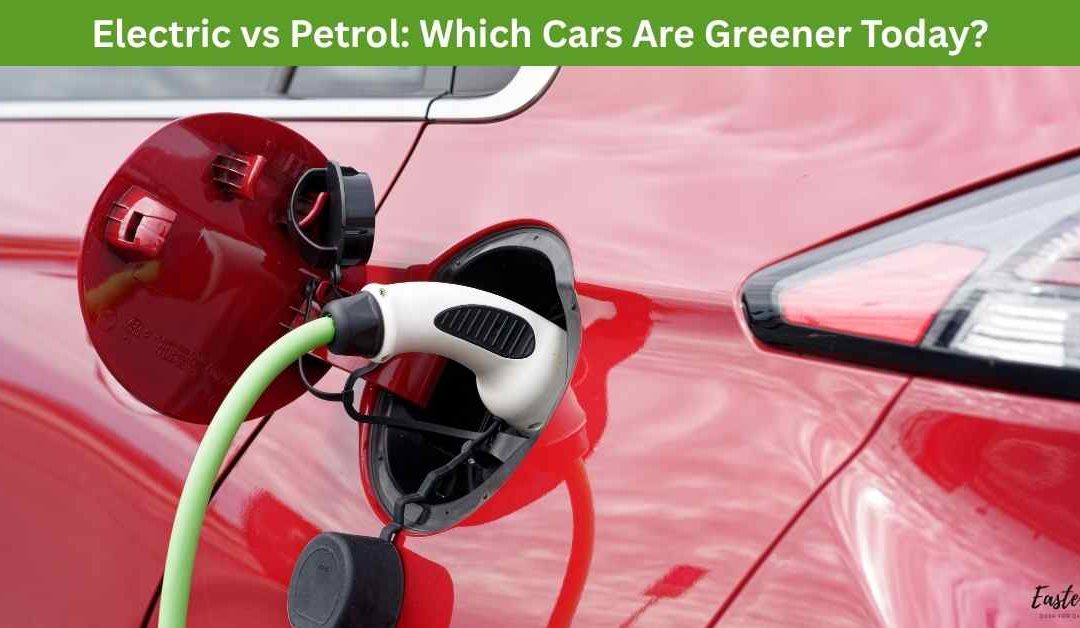
In the past decade, one of the biggest debates in the automotive world has been about which type of car is better for the environment — electric or petrol. With the rise of electric vehicles (EVs) and growing awareness about climate change, more people are thinking carefully about how their driving habits affect the planet.
But the question isn’t as simple as it seems. While electric cars are often advertised as zero-emission vehicles, the full picture involves much more — from how the electricity is produced to the environmental impact of manufacturing batteries. Similarly, petrol cars have improved fuel efficiency and lower emissions than older models. So, which one truly wins in 2025 when it comes to being greener?
Let’s take a closer look.
Understanding What “Greener” Really Means
When comparing electric and petrol cars, it’s not just about tailpipe emissions. To judge which type is truly greener, we have to look at the entire lifecycle — from manufacturing to driving and even recycling.
This includes:
- Production emissions: The environmental impact of building the car, including materials and energy used.
- Fuel or energy use: The emissions produced when driving.
- End-of-life disposal: How recyclable the parts are once the car reaches the end of its life.
Once we look at these factors, the picture becomes clearer — and more balanced.
The Case for Electric Cars
1. Zero Tailpipe Emissions
The biggest environmental advantage of electric cars is that they don’t produce emissions while driving. Unlike petrol vehicles, EVs don’t release carbon dioxide, nitrogen oxides, or particulate matter from the exhaust. This makes a huge difference in urban areas, improving air quality and reducing health risks.
2. Renewable Energy Advantage
If you charge your electric car using electricity from renewable sources like solar or wind, your carbon footprint drops dramatically. In countries such as Australia, more people are switching to renewable-powered homes, which means EVs can genuinely be emission-free during use.
However, if the electricity comes from coal or natural gas, some of the environmental benefits are reduced. That’s why the greener your power grid, the greener your EV.
3. Lower Running Emissions Over Time
Even when accounting for the electricity production process, electric cars usually emit 30–60% less CO₂ than petrol cars over their lifetime. As battery technology improves and power grids shift to renewables, that gap will only grow wider.
4. Recyclable and Reusable Components
Modern EV batteries are increasingly recyclable, and companies are developing systems to reuse valuable materials like lithium and cobalt. This reduces waste and the need for new raw materials.
The Case for Petrol Cars
1. Lower Production Emissions
One of the major downsides of electric cars is their high production footprint. Manufacturing lithium-ion batteries requires a lot of energy and mining for materials like cobalt, lithium, and nickel — processes that have their own environmental impact.
In contrast, building a petrol car typically produces less CO₂ during manufacturing, which means they start off with a smaller environmental cost.
2. Efficient and Cleaner Engines
Modern petrol engines are far cleaner than those of the past. With technologies like turbocharging, hybrid systems, and start-stop engines, emissions and fuel consumption have decreased significantly.
Some compact petrol cars now emit less than 100g of CO₂ per kilometre, making them relatively eco-friendly for short-term ownership, especially in areas where electricity is still coal-powered.
3. Established Recycling and Maintenance Systems
Petrol cars have a well-developed recycling network, with parts like metals, catalytic converters, and fluids commonly reused or repurposed. The system is efficient, which reduces the overall waste compared to earlier decades.
The Grey Area: Electricity Production
The biggest factor that affects how green an electric car is lies outside the car itself — in how your electricity is generated.
For example:
- In regions where most electricity comes from renewable energy, electric cars can cut lifetime emissions by more than half compared to petrol.
- But in areas relying on coal-fired power, EVs might not be as clean as you’d think. The production of electricity can offset some of the benefits gained from zero tailpipe emissions.
This means the environmental advantage of an electric car depends heavily on where you live and how your electricity is produced.
Maintenance and Longevity
Electric cars have fewer moving parts — no oil changes, no spark plugs, and no exhaust systems — which makes them easier and cleaner to maintain. Less maintenance means fewer materials and fluids being used over the car’s lifetime, which adds to their environmental benefits.
Petrol cars, on the other hand, require regular servicing, oil replacements, and emissions checks. However, they are often easier to repair and recycle due to the existing infrastructure and widespread availability of parts.
Battery Recycling and Future Improvements
One concern about EVs is battery waste. Large lithium-ion batteries can be challenging to recycle, but this area is rapidly improving. Many manufacturers are now creating closed-loop systems, where old batteries are broken down and reused to make new ones.
In addition, second-life applications — like using old EV batteries for home energy storage — are helping extend their usefulness. These innovations make electric cars more sustainable than ever before.
The Verdict: Which Is Greener Today?
If we look at the overall picture, electric cars are generally greener than petrol cars, especially when powered by renewable electricity. They produce fewer emissions over their lifetime, require less maintenance, and help reduce air pollution.
However, the difference isn’t absolute. In areas where electricity still comes from fossil fuels, or where battery production is energy-intensive, the environmental advantage of EVs becomes smaller. Meanwhile, modern petrol and hybrid vehicles have become far more efficient, offering a cleaner option for those not ready to make the switch.
In short:
- Electric cars are greener long-term, especially as renewable energy grows.
- Petrol cars remain practical short-term, particularly where charging options or clean electricity are limited.
A Glimpse Into the Future
As battery recycling improves and renewable energy expands, the future clearly leans toward electric vehicles. Governments are also introducing incentives for EV buyers and phasing out petrol cars to achieve emission goals.
So, while petrol vehicles aren’t disappearing overnight, it’s clear that electric cars are leading the way to a greener future — one charge at a time.
At the end of the day, both types of cars have their place today. The choice depends on your location, lifestyle, and values. But as technology advances, the environmental argument will increasingly favour electric — turning the “green car” of tomorrow into the everyday car of today.
If you are in Hawthorn, and looking to sell your car or get cash for trucks, below is the best way to visit us.
Eastern Cash For Cars
720 High St Rd, Glen Waverley, VIC 3150
(03) 7035 7830
www.easterncashforcars.com.au
Recent Comments