
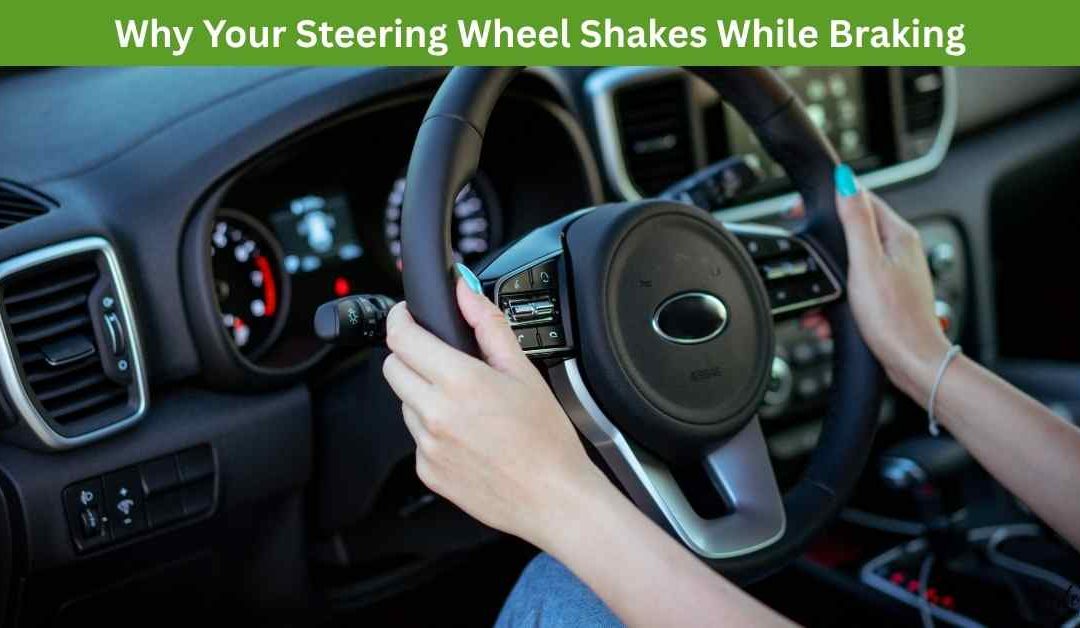
You’re driving along smoothly, but as soon as you hit the brakes — the steering wheel starts to shake. It’s a strange and unsettling feeling, especially if you’re on the freeway or heading downhill. A shaking steering wheel is one of those issues that drivers tend to ignore at first, thinking it’s “just a vibration.” But in reality, it’s often a sign that something isn’t quite right with your car’s braking or suspension system.
If you’ve ever wondered why this happens, here’s what’s really going on when your steering wheel shakes while braking — and what you should do about it.
What Causes the Steering Wheel to Shake When Braking?
There isn’t just one cause of steering wheel vibration under braking — it can stem from several different issues. However, most of the time, it comes down to your brake rotors, suspension components, or wheel alignment. Let’s take a closer look at each.
1. Warped Brake Rotors
The most common culprit is warped or uneven brake rotors.
Your brake rotors (also known as discs) are metal plates attached to the wheels. When you press the brake pedal, the brake pads clamp onto these rotors to slow the car down. Over time, repeated braking — especially during high-speed driving or towing — generates a lot of heat. This can cause the rotors to warp or develop uneven surfaces.
When that happens, the brake pads no longer make smooth contact with the rotor, causing the steering wheel to shake or pulse when braking. You’ll usually feel it most at higher speeds.
If you suspect warped rotors, it’s best to have a mechanic inspect them. In some cases, rotors can be machined (resurfaced) to restore smoothness. But if they’re too thin or damaged, they’ll need replacement.
2. Worn Brake Pads
Brake pads wear down over time — that’s normal. But when they wear unevenly or become too thin, they can cause vibrations. Some cheaper pads also leave behind residue on the rotors, creating rough spots that lead to shaking.
If your brakes make squealing or grinding noises along with the vibration, it’s a strong sign the pads need changing. Replacing them early can prevent further damage to the rotors and improve your car’s stopping performance.
3. Suspension and Steering Issues
If your steering wheel shakes even slightly when braking, it might not just be the brakes. The suspension and steering components — such as tie rods, ball joints, or control arm bushings — could also be worn out or loose.
When these parts start to wear, your wheels can move slightly out of alignment under braking, especially at high speeds. This movement transfers through the steering system, causing noticeable vibration or shaking.
In this case, a qualified mechanic can perform a suspension inspection to pinpoint worn parts and replace them before they become a safety issue.
4. Wheel Alignment or Balancing Problems
Another possible reason is poor wheel alignment or unbalanced tyres.
If your tyres are out of balance or your wheels are misaligned, your steering wheel may shake — and the vibration can get worse when braking. This is because the uneven contact between the tyres and road becomes more noticeable under braking force.
Wheel alignment and balancing are relatively simple and affordable fixes. It’s good practice to have both checked every 10,000 kilometres or whenever you replace tyres.
5. Uneven Tyre Wear
Sometimes, the shaking isn’t coming from your brakes at all — it’s your tyres. Uneven tyre wear, caused by under-inflation, worn suspension parts, or poor alignment, can cause vibration when braking or even during normal driving.
Running your hand along the tyre tread can reveal rough patches or “cupping.” If you feel any, it’s time for a tyre rotation or replacement. Proper tyre care not only stops vibrations but also improves fuel efficiency and safety.
6. Brake Caliper Issues
Brake calipers are responsible for pressing the pads against the rotors. If a caliper becomes stuck or seized, it can cause one wheel to brake more forcefully than the others, leading to uneven braking and shaking in the steering wheel.
You might notice a burning smell, uneven braking, or the car pulling to one side when stopping. If this happens, it’s best to have the brakes inspected immediately — continuing to drive with a stuck caliper can cause serious damage.
When Should You Be Concerned?
If your steering wheel only shakes slightly and occasionally, it could be something minor like a tyre balance issue. But if the vibration is strong, happens regularly, or is accompanied by brake noise, pulling, or a burning smell, it’s time to get it checked right away.
Ignoring it can lead to:
- Reduced braking performance
- Uneven tyre wear
- Damage to suspension components
- Higher repair costs later on
Brakes are one of the most important safety systems in your car — it’s not worth taking chances.
How to Prevent Steering Wheel Shake
Here are a few practical ways to avoid the problem altogether:
- Avoid heavy braking from high speeds unless necessary.
- Check your brake pads and rotors regularly, especially before long trips.
- Rotate your tyres and keep them properly inflated.
- Schedule wheel alignments at regular service intervals.
- Use quality brake parts from reputable brands for replacements.
These simple steps not only reduce the risk of vibrations but also help your car perform better and last longer.
When It Might Be Time to Move On
If your car is old and keeps developing brake or suspension issues, sometimes the repairs can start costing more than the car’s actual value.
In those cases, selling it to a cash for cars service might make more sense. You’ll get instant cash for your vehicle, regardless of its condition, and it’ll be recycled responsibly. This option saves you from spending hundreds (or even thousands) on constant repairs for an older car that’s showing its age.
A shaking steering wheel might start as a small annoyance, but it’s your car’s way of telling you something’s not right. Whether it’s the rotors, tyres, or suspension, getting it checked early can save you from a major safety hazard — and an even bigger repair bill later on.
If your car’s vibration problems are getting out of hand or it’s simply not worth fixing anymore, turning it into cash might be the smoothest move you can make.
If you are in Croydon, and looking to sell your car or get cash for trucks, below is the best way to visit us.
Eastern Cash For Cars
720 High St Rd, Glen Waverley, VIC 3150
(03) 7035 7830
www.easterncashforcars.com.au
Recent Comments