
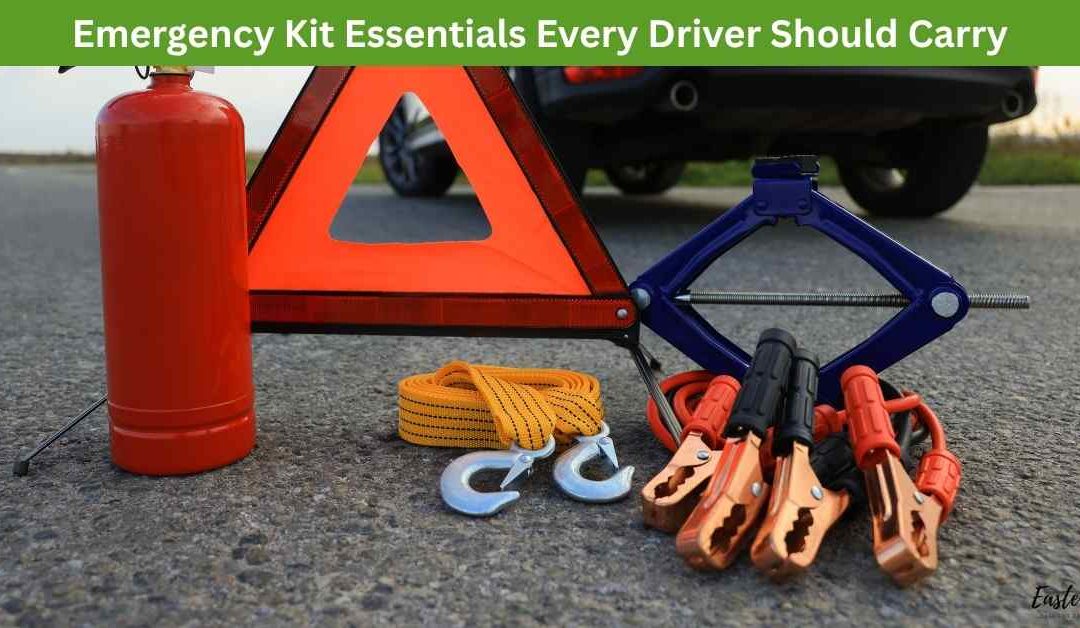
No matter how reliable your car is, breakdowns and unexpected situations can still happen. A flat tyre on a quiet road, a dead battery in a shopping centre car park, or even being stuck in heavy weather can quickly turn into a stressful experience if you’re not prepared.
That’s where a well-packed emergency kit makes all the difference. It’s not about expecting problems every time you drive, it’s about being ready when things don’t go as planned.
For Australian drivers, especially those covering long distances or travelling through remote areas, having the right essentials in your car isn’t just smart, it’s essential for safety.
Why every driver needs an emergency kit
Even short trips can turn unpredictable. Road conditions, weather, and vehicle issues can change quickly, and help isn’t always immediately available.
An emergency kit helps you:
- Stay safe during breakdowns
- Handle minor issues on your own
- Communicate in emergencies
- Wait comfortably for assistance
It gives you control in situations where you might otherwise feel stuck or vulnerable.
First aid kit
A properly stocked first aid kit is the most important item in any vehicle emergency kit.
It should include:
- Bandages and dressings
- Antiseptic wipes and solution
- Adhesive tape
- Pain relief tablets
- Gloves
- Scissors and tweezers
Even minor injuries like cuts or scrapes can become a problem if you’re far from medical help.
Spare tyre and tyre repair tools
Tyre problems are one of the most common roadside issues.
Your kit should include:
- A properly inflated spare tyre
- Jack and wheel brace
- Tyre repair sealant or puncture kit
Before any long trip, always check your spare tyre condition. A flat spare is as useful as no spare at all.
Jumper leads or portable jump starter
A flat battery can happen at any time, especially if lights are left on or the battery is ageing.
Carry:
- Heavy-duty jumper leads
- Or a portable jump starter pack
A portable jump starter is especially useful if you’re travelling alone, as it doesn’t require another vehicle.
Torch or headlamp
If your car breaks down at night, visibility becomes a major safety issue.
A good torch helps you:
- Inspect your vehicle safely
- Signal for help if needed
- Stay visible to other drivers
Choose an LED torch and keep spare batteries in your kit, or opt for a rechargeable model.
Reflective warning triangles
If you’re stopped on the side of the road, especially in low visibility conditions, warning triangles are essential.
They help:
- Alert oncoming traffic
- Reduce the risk of collisions
- Improve your visibility at a distance
Place them a safe distance behind your vehicle if a breakdown occurs.
High-visibility vest
A simple but important item, a hi-vis vest ensures you are seen by other drivers.
It is especially useful when:
- Changing a tyre on the roadside
- Standing outside your vehicle at night
- Dealing with breakdowns in traffic areas
Visibility saves lives, especially on busy highways.
Water and non-perishable food
Australia’s climate can be harsh, and waiting for roadside assistance in hot conditions without water can quickly become dangerous.
Pack:
- Bottled drinking water
- Energy bars or dry snacks
- Non-perishable food items
Even a few hours without supplies can become uncomfortable in extreme heat or remote areas.
Phone charger and power bank
Your phone is your main lifeline during emergencies.
Make sure you have:
- Car charging cable
- USB charger adapter
- Fully charged power bank
This ensures you can call for help, use navigation, or stay in contact even if your car battery is dead.
Basic tool kit
A small tool kit can help you fix minor issues and get back on the road faster.
Useful tools include:
- Screwdrivers (flathead and Phillips)
- Adjustable wrench
- Pliers
- Duct tape
- Multi-tool
While it won’t replace a mechanic, it can help you manage small repairs.
Emergency contact list
While most people rely on their phones, it’s still smart to keep a written list of important contacts.
Include:
- Roadside assistance numbers
- Family or friends
- Emergency services
If your phone battery dies, this becomes extremely valuable.
Spare fluids
Car fluids can sometimes run low unexpectedly or leak during long trips.
Consider carrying:
- Engine oil (top-up quantity)
- Coolant
- Windshield washer fluid
These can help you manage minor issues until you reach a service station.
Rain gear and warm clothing
Weather conditions can change quickly, especially during long drives.
Pack:
- Lightweight rain jacket
- Warm hoodie or blanket
- Extra socks
Staying dry and warm is important if you’re stranded for any length of time.
Fire extinguisher
A small automotive fire extinguisher can be a lifesaver in rare but serious situations.
It can help control:
- Engine fires
- Electrical fires
- Small fuel-related incidents
Make sure it is rated for vehicle use and regularly checked.
What to do during a breakdown
If your car breaks down:
- Pull over safely away from traffic
- Turn on hazard lights immediately
- Use warning triangles if available
- Stay inside the vehicle if it’s safer
- Call for roadside assistance
Remaining calm and visible is the most important part of staying safe.
Keeping your kit updated
An emergency kit isn’t something you pack once and forget.
Regularly check:
- Battery levels in torches and devices
- Expiry dates on first aid items
- Tyre condition and air pressure
- Water and food supplies
A well-maintained kit is far more reliable when you actually need it.
A properly prepared emergency kit gives you confidence every time you drive. It doesn’t take up much space, but it can make a huge difference in a stressful situation. From simple tools to essential safety gear, having the right items in your car ensures you’re ready for the unexpected. A little preparation today can save a lot of trouble tomorrow.
If you are in Kew, and looking to sell your car or get cash for trucks, below is the best way to visit us.
Eastern Cash For Cars
720 High St Rd, Glen Waverley, VIC 3150
(03) 7035 7830
www.easterncashforcars.com.au
Recent Comments