
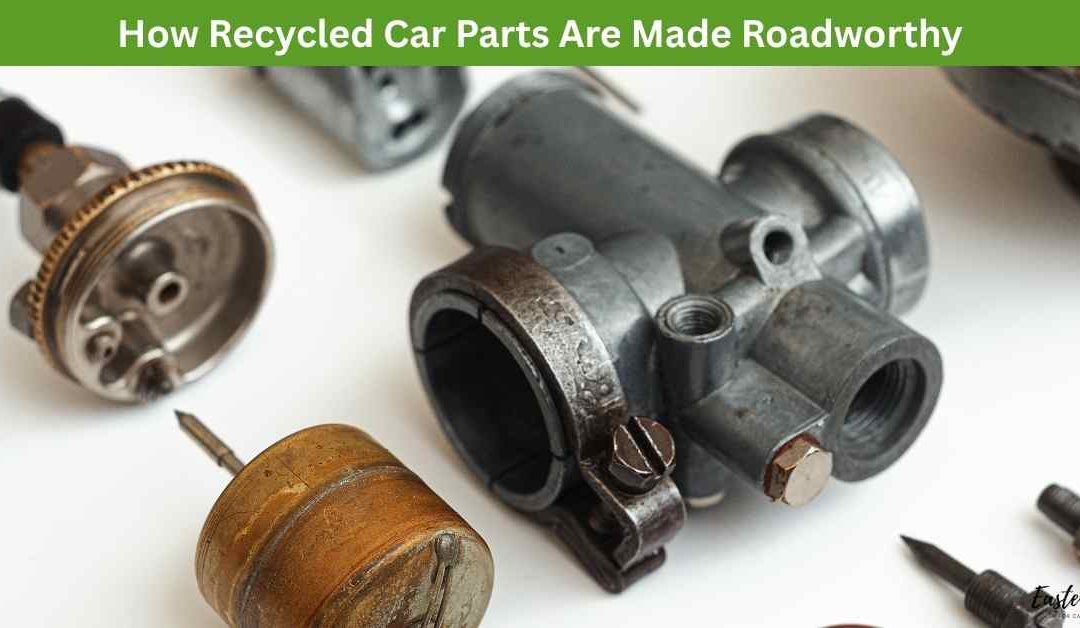
Many drivers hear the term “recycled car parts” and immediately wonder whether those parts are safe to use. It’s a fair question. After all, these components have already been used in another vehicle. However, what many people don’t realise is that quality recycled car parts go through a detailed inspection and testing process before they are offered for resale.
In Australia, recycled automotive parts play an important role in reducing waste, lowering repair costs, and supporting sustainable vehicle ownership. When sourced from reputable suppliers, many recycled parts can perform just as effectively as their new counterparts.
Understanding how recycled car parts are made roadworthy can help vehicle owners make informed decisions when repairing or maintaining their cars.
What are recycled car parts?
Recycled car parts are components recovered from vehicles that have reached the end of their useful life or have been written off due to accident damage.
Rather than sending the entire vehicle to landfill, dismantlers carefully remove parts that remain in good working condition. These components may include:
- Engines
- Transmissions
- Alternators
- Starter motors
- Doors and panels
- Headlights and taillights
- Mirrors
- Wheels and tyres
- Suspension components
- Interior parts
The goal is to recover valuable parts that can safely be reused in other vehicles.
Why recycled parts are becoming more popular
Vehicle owners are increasingly choosing recycled parts because they offer several advantages:
- Lower repair costs
- Reduced environmental impact
- Greater availability for older vehicles
- Access to genuine manufacturer parts
In many cases, a recycled original equipment part may be preferable to a lower-quality aftermarket alternative.
The first step: Vehicle assessment
Before any parts are removed, the vehicle itself is carefully assessed.
Dismantlers inspect the vehicle to determine:
- The extent of accident damage
- Which parts remain functional
- Whether any components have been compromised
Not every part is suitable for resale. Components that show excessive wear, damage, or safety concerns are typically sent for recycling rather than reuse.
This initial evaluation helps identify parts with genuine resale potential.
Careful dismantling and removal
Once suitable components are identified, trained technicians remove them carefully.
This process is important because improper removal can damage otherwise usable parts.
Technicians often:
- Label components
- Record vehicle details
- Note mileage and condition
- Store parts appropriately
Accurate records help buyers identify parts that match their vehicle specifications.
Thorough cleaning and preparation
After removal, parts are usually cleaned before further inspection.
Cleaning serves several purposes:
- Removes grease, oil, and dirt
- Reveals hidden cracks or damage
- Improves inspection accuracy
- Enhances presentation
A clean part is much easier to evaluate than one covered in years of road grime.
Detailed inspections for wear and damage
One of the most important steps in the process is inspection.
Technicians check for:
- Cracks
- Corrosion
- Excessive wear
- Structural weakness
- Previous repairs
- Missing components
Parts that fail inspection are rejected.
Only components that meet acceptable standards move on to the next stage.
Testing mechanical and electrical components
Many recycled parts undergo functional testing before being sold.
Examples include:
Engines
Engines may be tested for:
- Compression levels
- Oil leaks
- Excessive noise
- Internal condition
Alternators and starter motors
Electrical testing helps verify:
- Voltage output
- Charging performance
- Operational reliability
Electronic modules
Modern vehicles contain numerous electronic components that can often be tested using diagnostic equipment before resale.
Testing helps ensure buyers receive components that function as expected.
Grading recycled car parts
Many professional automotive recyclers use grading systems to classify parts based on condition.
Common grading factors include:
- Cosmetic appearance
- Age
- Mileage
- Functional condition
This gives buyers a clearer understanding of what they are purchasing and helps set realistic expectations.
Why some safety components are treated differently
Not every vehicle component is suitable for reuse.
Certain safety-critical parts may be subject to stricter standards or restrictions.
Examples can include:
- Airbags
- Seatbelt systems
- Severely damaged suspension parts
- Crash-damaged structural components
Responsible recyclers follow industry guidelines and avoid reselling parts that could compromise vehicle safety.
Matching parts to specific vehicles
Modern vehicles often have multiple variations of the same component.
Before resale, suppliers usually verify:
- Vehicle make and model
- Production year
- Engine type
- Part numbers
Accurate matching helps ensure proper fitment and safe operation once the part is installed.
Quality control before sale
Reputable automotive recyclers often perform final quality checks before listing parts for sale.
This may involve:
- Visual inspection
- Verification of test results
- Confirmation of part numbers
- Packaging and storage review
Quality control reduces the likelihood of defective parts reaching customers.
How recycled parts support sustainable motoring
The automotive industry generates a significant amount of waste every year. Reusing quality components helps reduce that impact.
Benefits include:
- Less material sent to landfill
- Reduced demand for raw materials
- Lower manufacturing emissions
- Extended lifespan of existing resources
Recycling vehicle components is one of the most effective ways to support a circular economy within the automotive sector.
Are recycled car parts reliable?
When sourced from reputable suppliers, many recycled car parts can provide years of reliable service.
Factors that influence reliability include:
- Original part quality
- Previous vehicle maintenance
- Inspection procedures
- Testing standards
- Proper installation
A professionally inspected recycled component is often far more dependable than many people assume.
What should buyers look for?
If you’re considering recycled parts for your vehicle, look for suppliers that:
- Provide detailed part information
- Offer testing and inspection records
- Have clear warranty policies
- Specialise in automotive recycling
- Maintain good industry reputations
Choosing a reputable supplier greatly improves the chances of receiving a quality component.
Recycled car parts don’t simply come off an old vehicle and go straight back onto another one. They go through a structured process of assessment, removal, cleaning, inspection, testing, and quality control to ensure they remain safe and functional. By giving usable components a second life, automotive recyclers help reduce waste, lower repair costs, and support more sustainable vehicle ownership. When sourced from trusted suppliers, recycled car parts can be a practical, reliable, and environmentally responsible solution for keeping vehicles on the road.
If you are in Lysterfield, and looking to sell your car or get cash for trucks, below is the best way to visit us.
Eastern Cash For Cars
720 High St Rd, Glen Waverley, VIC 3150
(03) 7035 7830
www.easterncashforcars.com.au
Recent Comments