
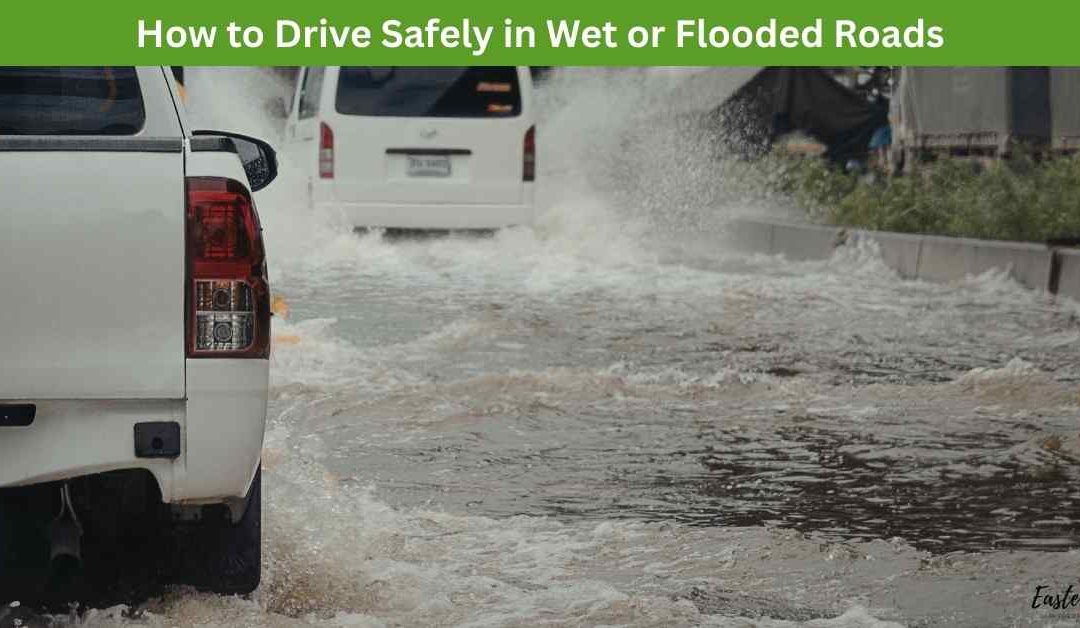
Driving in wet weather is part of life in Australia. From sudden summer storms to heavy seasonal rain, road conditions can change quickly. And when water starts pooling on the road, things can become dangerous fast.
The short answer? Slow down, increase your following distance, avoid flooded areas, and stay calm. Most wet-weather accidents happen because drivers underestimate how slippery the road really is.
Let’s break down how to stay safe when the rain starts falling.
Why Are Wet Roads More Dangerous?
Wet roads reduce tyre grip. When rain mixes with oil, dust, and debris on the road surface, it creates a slippery film, especially during the first 30 minutes of rainfall.
Your braking distance increases. Steering becomes less responsive. And if water builds up, you risk aquaplaning.
Even light rain can affect control. Heavy rain or flooding adds another level of risk, including hidden potholes, debris, and strong water currents.
What Is Aquaplaning and How Do You Avoid It?
Aquaplaning (also called hydroplaning) happens when your tyres lose contact with the road because a layer of water builds up underneath them.
When this happens:
- You lose steering control
- Braking becomes ineffective
- The vehicle may drift
To reduce the risk:
- Slow down in wet conditions
- Avoid sudden steering movements
- Ensure your tyres have good tread depth
- Keep tyres properly inflated
If you do aquaplane, stay calm. Ease off the accelerator gently and steer straight until your tyres regain contact with the road. Don’t slam the brakes.
How Fast Should You Drive in Heavy Rain?
There’s no single “safe” speed in wet weather. It depends on visibility, water levels, traffic, and road type.
As a general rule:
- Reduce your speed below the posted limit
- Increase following distance to at least 4–5 seconds
- Drive smoothly and avoid harsh braking
Speed limits are designed for ideal conditions. Wet roads are not ideal conditions.
If visibility drops significantly, turn on your headlights so other drivers can see you more clearly.
Is It Safe to Drive Through Flooded Roads?
In most cases, no.
Floodwater can be extremely dangerous, even if it looks shallow. Just 15 cm of moving water can make steering difficult. Around 30 cm can float many vehicles, especially smaller cars.
The biggest risk is that you often can’t see:
- Road damage
- Washed-out sections
- Deep potholes
- Strong currents
The safest choice is to turn around and find an alternative route. Many vehicles become stranded each year because drivers assume they can make it through.
What If You Have to Drive Through Shallow Water?
If there’s no safe alternative and the water is clearly shallow and still, proceed with extreme caution.
Drive slowly and steadily in a low gear. Avoid stopping mid-way. After exiting the water, gently apply your brakes while driving slowly to help dry them out.
However, if the water level reaches the bottom of your doors or is flowing quickly, do not attempt to cross.
Your safety matters more than saving a few minutes.
How Should You Adjust Your Driving Style in Wet Conditions?
Wet-weather driving is all about smoothness and awareness.
Here’s what helps:
- Brake earlier and more gently
- Accelerate gradually
- Take corners slowly
- Avoid cruise control in heavy rain
- Stay alert for sudden stops
Sharp movements increase the chance of skidding. Smooth inputs give your tyres more time to maintain grip.
Also, avoid driving through large puddles at speed. Splashing water can reduce visibility for other drivers and hide road hazards.
Do Tyres and Vehicle Maintenance Make a Difference?
Absolutely.
Your tyres are the only contact between your car and the road. Worn tyres significantly increase aquaplaning risk.
Make sure:
- Tread depth meets legal requirements
- Tyre pressure is correct
- Wipers are in good condition
- Headlights and brake lights work properly
If your wipers smear rather than clear water, replace them. Good visibility is critical during heavy rain.
Regular maintenance isn’t just about performance, it’s about safety.
What Should You Do If Your Car Stalls in Floodwater?
If your vehicle stalls while driving through water, do not attempt to restart it. Water may have entered the engine, and restarting can cause serious damage.
If safe to do so:
- Turn on hazard lights
- Exit the vehicle if water levels are rising
- Move to higher ground
- Call for roadside assistance
Flood-damaged vehicles can suffer long-term electrical and mechanical issues. It’s always better to avoid water crossings in the first place.
How Can You Stay Prepared During Storm Season?
Preparation reduces panic.
Before driving during heavy rain:
- Check weather updates
- Plan alternative routes
- Keep your phone charged
- Ensure your fuel level is sufficient
Avoid unnecessary travel during severe weather warnings. Delaying a trip is often the safest option.
Driving in wet or flooded roads requires patience, awareness, and smart decision-making. Slowing down, maintaining your vehicle, and avoiding risky water crossings can dramatically reduce your chances of an accident. Rain doesn’t have to be dangerous, but it demands respect. When in doubt, take the safer option and get home in one piece.
If you are in Box Hill, and looking to sell your car or get cash for trucks, below is the best way to visit us.
Eastern Cash For Cars
720 High St Rd, Glen Waverley, VIC 3150
(03) 7035 7830
www.easterncashforcars.com.au
Recent Comments