
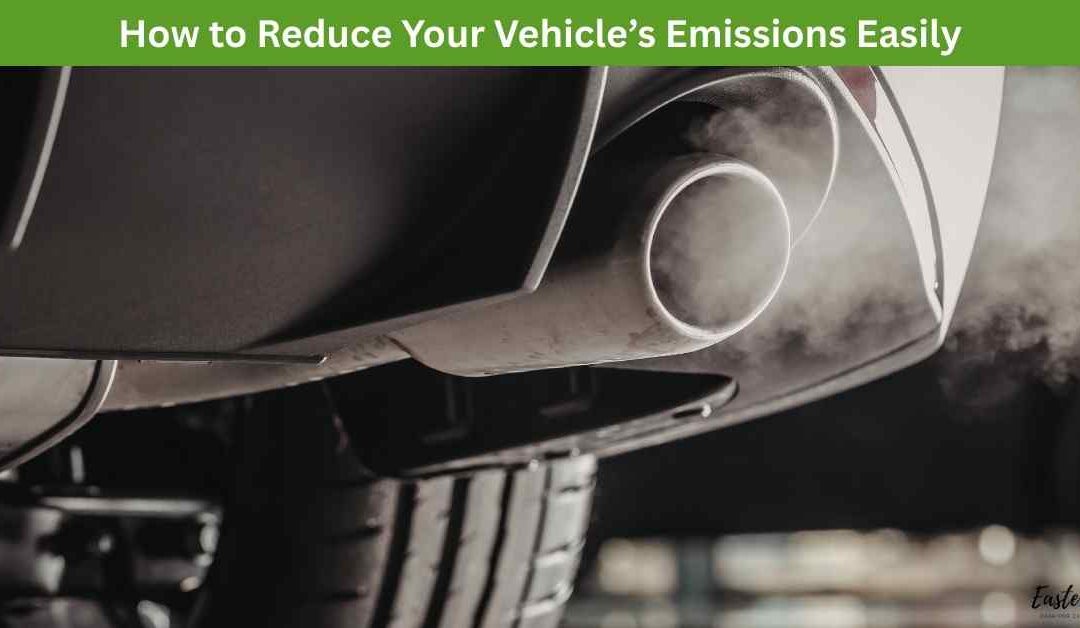
Vehicle emissions don’t just affect the environment, they also affect your fuel costs and engine performance. The good news? You don’t need to buy a brand-new car to make a difference.
The short answer is simple: maintain your car properly, drive smoothly, reduce unnecessary weight, and fix small problems early.
Lower emissions usually mean better fuel efficiency and a healthier engine. Here’s how you can reduce your vehicle’s emissions without overcomplicating things.
Why Do Vehicles Produce Emissions?
Most petrol and diesel vehicles produce emissions as a by-product of combustion. When fuel burns inside the engine, it releases gases such as carbon dioxide (CO₂), carbon monoxide, and nitrogen oxides.
Modern cars are fitted with emission control systems like catalytic converters and oxygen sensors to reduce harmful output. However, poor maintenance, aggressive driving, and worn components can increase emissions significantly.
The cleaner your engine runs, the fewer emissions it produces.
Keep Your Engine Properly Serviced
Regular servicing is one of the easiest ways to reduce emissions.
Replacing worn components such as:
- Air filters
- Spark plugs
- Fuel filters
- Engine oil
helps your engine burn fuel more efficiently.
A clogged air filter, for example, restricts airflow and causes the engine to use more fuel. Fresh oil reduces internal friction and helps maintain optimal performance.
Small maintenance steps can make a noticeable difference.
Fix the Check Engine Light Immediately
If your check engine light turns on, don’t ignore it.
Common causes like faulty oxygen sensors, ignition issues, or fuel system problems can increase emissions and fuel consumption. Even a small sensor fault can disrupt the air-fuel mixture, leading to inefficient combustion.
Addressing these issues early keeps your vehicle running cleaner and avoids more expensive repairs later.
Drive Smoothly and Avoid Harsh Acceleration
Your driving habits directly impact emissions.
Aggressive acceleration and hard braking increase fuel usage and put extra strain on the engine. Smooth, steady driving reduces fuel burn and lowers exhaust output.
To improve efficiency:
- Accelerate gradually
- Maintain steady speeds
- Anticipate traffic to avoid sudden stops
- Avoid unnecessary idling
Even small changes in driving style can reduce emissions over time.
Maintain Proper Tyre Pressure
Under-inflated tyres create more rolling resistance, which forces the engine to work harder and burn more fuel.
Check tyre pressure regularly and keep it at the manufacturer’s recommended level. Properly inflated tyres improve fuel economy, extend tyre life, and reduce overall emissions.
It’s a quick check that takes only a few minutes but delivers long-term benefits.
Reduce Excess Weight
Extra weight means extra fuel consumption.
Carrying heavy tools, unused roof racks, or unnecessary cargo increases engine load. Removing excess weight improves fuel efficiency and lowers emissions.
Roof racks and cargo boxes also increase wind resistance, especially at highway speeds. If you’re not using them, take them off.
Lighter vehicles are simply more efficient.
Avoid Long Idling
Leaving your engine running while parked wastes fuel and produces unnecessary emissions.
If you’re waiting for someone or stopped for more than a minute, it’s often better to switch off the engine (unless traffic conditions require otherwise).
Modern engines don’t need extended warm-up times. Driving gently after startup is usually sufficient.
Use Quality Fuel
Using good-quality fuel helps maintain cleaner combustion.
Low-grade or contaminated fuel can cause inefficient burning and carbon build-up inside the engine. Over time, this increases emissions and reduces performance.
While premium fuel isn’t necessary for every vehicle, using reputable service stations helps ensure consistent fuel quality.
Keep Your Exhaust System in Good Condition
Your catalytic converter plays a major role in reducing harmful gases. If it becomes clogged or damaged, emissions can rise significantly.
Signs of exhaust system problems include:
- Rattling noises
- Reduced performance
- Increased fuel consumption
- Strong exhaust smells
If you suspect an issue, have it checked promptly. A properly functioning exhaust system is essential for cleaner driving.
Consider Smarter Driving Alternatives
Reducing emissions isn’t only about mechanical fixes.
You can also:
- Combine multiple errands into one trip
- Use public transport occasionally
- Carpool when possible
- Avoid peak traffic hours
Fewer trips and less time in congestion reduce fuel usage and overall emissions.
Every small step adds up.
Reducing your vehicle’s emissions doesn’t require major upgrades or complicated changes. Regular servicing, smoother driving habits, proper tyre pressure, and addressing small issues early can significantly lower your car’s environmental impact. A well-maintained vehicle not only runs cleaner but also saves you money on fuel and repairs in the long run, making it a win for both your wallet and the road ahead.
If you are in Balwyn, and looking to sell your car or get cash for trucks, below is the best way to visit us.
Eastern Cash For Cars
720 High St Rd, Glen Waverley, VIC 3150
(03) 7035 7830
www.easterncashforcars.com.au
Recent Comments