
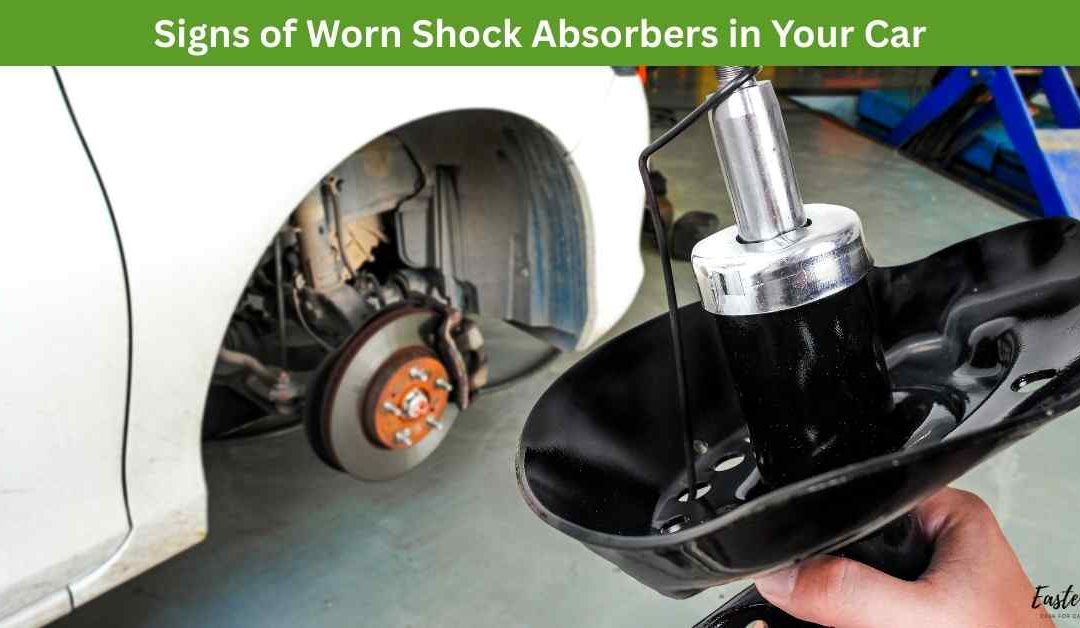
Shock absorbers don’t usually get much attention—until something feels off. Most drivers only think about them when the ride becomes uncomfortable or the car starts behaving unpredictably on the road. The truth is, worn shock absorbers can affect far more than comfort. They impact handling, braking, tyre wear, and overall safety.
Knowing the warning signs early can save you money and help you decide whether a repair is worthwhile or if it’s time to move on from the vehicle.
What Do Shock Absorbers Actually Do?
Shock absorbers control how your car responds to bumps, corners, and braking. They keep your tyres in contact with the road by absorbing energy from uneven surfaces and limiting excessive movement in the suspension.
When shocks wear out, your car may still drive—but not the way it should. Stability decreases, stopping distances increase, and wear on other components accelerates.
How Long Do Shock Absorbers Last?
Most shock absorbers last between 80,000 and 120,000 kilometres, depending on driving conditions and vehicle type. Rough roads, heavy loads, towing, and frequent city driving can shorten their lifespan.
Because shocks wear gradually, many drivers don’t realise there’s a problem until performance has noticeably declined.
What Are the Most Common Signs of Worn Shock Absorbers?
Excessive Bouncing After Bumps
If your car continues to bounce after hitting a speed bump or pothole, worn shocks are often the cause. A healthy suspension should settle quickly. Continuous bouncing means the shocks can no longer control movement effectively.
Nose Diving When Braking
Does the front of your car dip sharply when you brake? This is a classic sign of failing front shock absorbers. It reduces braking efficiency and increases stopping distance, especially in wet conditions.
Squatting During Acceleration
If the rear of the car dips noticeably when accelerating, worn rear shocks may be to blame. This can affect traction and stability, particularly in powerful or rear-wheel-drive vehicles.
Uneven or Rapid Tyre Wear
Shock absorbers help keep tyres firmly planted on the road. When they fail, tyres can bounce slightly, leading to uneven tread wear or cupping. This often shows up as bald spots or scalloped edges.
Tyre wear caused by worn shocks can shorten tyre life significantly.
Poor Handling and Steering Response
Worn shocks make steering feel loose or unstable. You might notice the car swaying when changing lanes or feeling unsettled around corners. On highways, this can be particularly uncomfortable and unsafe.
Car Pulls or Feels Unstable in Crosswinds
If your vehicle feels more sensitive to wind or road camber than usual, it may be due to reduced suspension control. Shocks play a major role in maintaining directional stability.
Fluid Leaks on the Shock Body
Visible oil leaking from the shock absorber is a clear sign it’s no longer functioning properly. While a small amount of residue can be normal, heavy or wet leakage means replacement is needed.
Increased Stopping Distance
Worn shocks reduce the tyre’s ability to grip the road, especially during hard braking. This can add crucial metres to your stopping distance—something most drivers don’t realise until it’s too late.
Can Worn Shock Absorbers Be Dangerous?
Yes. While your car may still be drivable, worn shocks compromise safety. Reduced traction, unstable handling, and longer braking distances increase accident risk, particularly in wet or emergency situations.
They also place extra stress on:
- Tyres
- Springs
- Bushings
- Steering components
Delaying repairs can lead to more expensive problems down the track.
How Are Shock Absorbers Checked?
A mechanic can inspect shocks during a routine service. Common checks include:
- Visual inspection for leaks or damage
- Road testing for ride quality and stability
- Suspension bounce tests
If your car fails these checks, replacement is usually recommended.
Is It Worth Replacing Shock Absorbers?
Replacing shock absorbers can significantly improve ride comfort and safety, especially if the vehicle is otherwise in good condition. However, for older cars with high kilometres, the cost may outweigh the vehicle’s remaining value.
If multiple suspension components are worn and repairs are stacking up, selling the car may be the more practical option.
What If You Don’t Fix Worn Shocks?
Ignoring worn shocks often leads to:
- Faster tyre wear
- Reduced resale value
- Poor driving confidence
- Increased repair costs
In some cases, continuing to drive with worn shocks accelerates the car’s decline.
When It Might Be Time to Let the Car Go
If your vehicle shows several signs of suspension wear and needs more than just shock replacement, it may be nearing the end of its economical life. At that point, cash-for-cars and car removal services offer a straightforward solution.
These services accept vehicles in worn or unsafe condition, often providing same-day pickup and payment without the need for repairs or roadworthy certificates.
Worn shock absorbers don’t fail overnight, but the signs are always there if you know what to look for. Paying attention to changes in ride quality, handling, and tyre wear helps you stay safe and make smarter decisions about repairs. Whether you choose to replace the shocks or move on from the car, recognising the warning signs early puts you back in control of your driving experience.
If you are in Clayton, and looking to sell your car or get cash for trucks, below is the best way to visit us.
Eastern Cash For Cars
720 High St Rd, Glen Waverley, VIC 3150
(03) 7035 7830
www.easterncashforcars.com.au
Recent Comments