
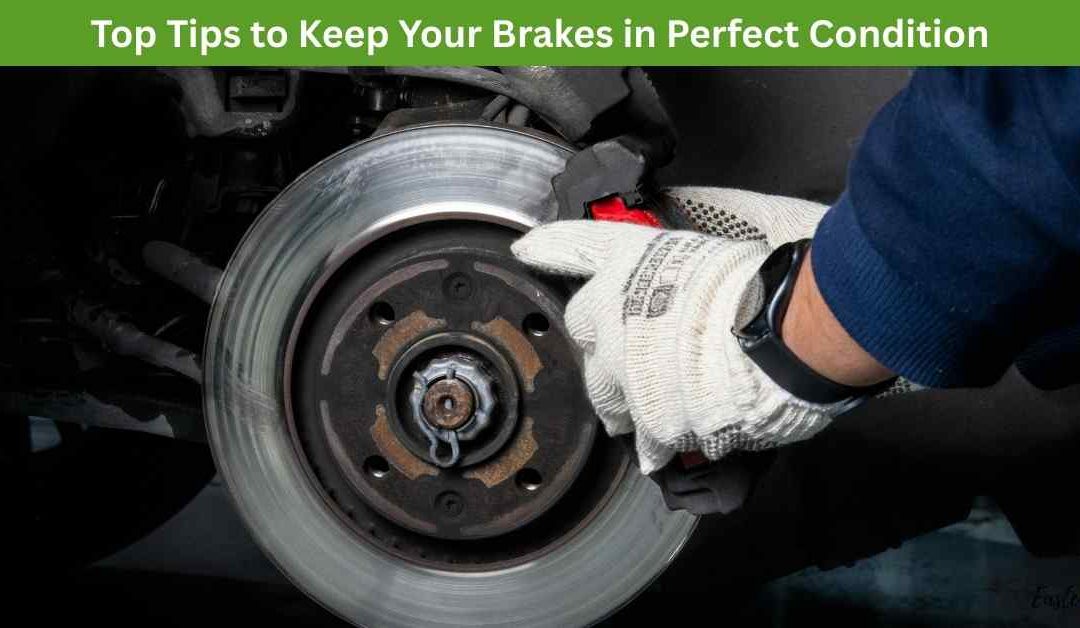
Your brakes are the most important safety feature in your car. No debate. When you press that pedal, you expect your vehicle to stop, immediately and safely.
The short answer to keeping your brakes in top shape? Drive smoothly, inspect them regularly, replace worn parts early, and never ignore warning signs.
Brakes don’t usually fail without warning. They give you clues. The key is knowing what to look and listen for.
Let’s go through the practical tips that will help you keep your braking system working exactly as it should.
Why Is Brake Maintenance So Important?
Your braking system handles enormous stress every time you slow down. Brake pads clamp onto rotating discs (rotors), creating friction that stops your car. Over time, friction causes wear. That’s completely normal.
What’s not normal is neglecting maintenance.
Worn brakes increase stopping distance, reduce control in emergencies, and can damage other components if left too long. In wet weather, worn brakes can be even more dangerous because road grip is already reduced.
Regular maintenance keeps you safe and saves you money long term.
How Often Should You Check Your Brakes?
As a general guide, have your brakes inspected at least once a year or every 10,000–15,000 km. If you drive in heavy traffic, tow loads, or frequently travel downhill, you may need checks more often.
Brake pads typically last between 30,000–70,000 km, depending on driving habits. Rotors usually last longer but may need machining or replacement if they become warped or too thin.
If you’re unsure, a quick inspection during routine servicing can give you peace of mind.
What Are the Warning Signs of Worn Brakes?
Your car will usually tell you when something isn’t right.
Watch (and listen) for:
- Squealing or screeching noises
- Grinding sounds
- Vibrations when braking
- Soft or spongy brake pedal
- Car pulling to one side
- Dashboard brake warning light
Squealing often means the brake pads are worn. Grinding can indicate metal-on-metal contact, which may damage your rotors.
If you notice any of these signs, don’t delay. Small issues can quickly turn into expensive repairs.
How Does Driving Style Affect Brake Life?
A lot more than most people realise.
Aggressive driving, hard braking, tailgating, and sudden stops, wears brake pads much faster. Smooth, gradual braking extends their lifespan significantly.
To protect your brakes:
- Maintain a safe following distance
- Anticipate traffic flow
- Coast when approaching red lights
- Avoid unnecessary hard stops
The smoother you drive, the less strain you put on your braking system.
Does Brake Fluid Need Maintenance?
Yes, and it’s often overlooked.
Brake fluid transfers force from your foot to the braking components. Over time, it absorbs moisture, which reduces performance and can cause internal corrosion.
Most manufacturers recommend replacing brake fluid every 2–3 years. Old brake fluid can lead to a soft pedal feel and reduced braking efficiency.
It’s a simple service that makes a big difference.
Can Worn Rotors Damage Your Brakes?
Absolutely.
If brake pads are left too long, they can wear down completely and grind into the rotors. This not only reduces braking performance but also increases repair costs.
Rotors can also become warped due to excessive heat. You might notice steering wheel vibration or pulsing through the brake pedal when this happens.
Replacing brake pads early is far cheaper than replacing both pads and rotors together.
Do Weather and Road Conditions Matter?
They do.
Frequent stop-start city driving wears brakes faster than highway cruising. Driving in wet conditions can accelerate surface rust on rotors, although light rust is usually harmless and clears with normal braking.
If you regularly drive in hilly areas, your brakes work harder and may wear faster.
Understanding your driving environment helps you plan maintenance properly.
Should You Use Engine Braking?
Yes, when appropriate.
In manual vehicles, downshifting while slowing can reduce strain on your brake pads. In automatic vehicles, selecting a lower gear when driving downhill can help control speed without excessive braking.
However, engine braking should complement your brakes, not replace them. It’s especially useful on long descents.
Why Should You Never Ignore Small Brake Problems?
Because they rarely stay small.
A minor squeal today can become a grinding repair tomorrow. Delaying brake maintenance can lead to:
- Rotor damage
- Caliper issues
- Reduced emergency stopping power
- Higher repair bills
Brakes are not an area to “wait and see.”
If something feels off, get it checked.
What’s the Best Way to Keep Your Brakes in Top Shape?
Keep it simple:
- Schedule regular inspections
- Replace pads before they fully wear out
- Change brake fluid as recommended
- Drive smoothly and defensively
- Act quickly on warning signs
Preventative maintenance always costs less than major repairs.
Your brakes work hard every single day to keep you and everyone else on the road safe. Taking care of them isn’t complicated, it just requires attention and smart driving habits. When your braking system is well maintained, you gain confidence behind the wheel and peace of mind knowing your vehicle will respond exactly when you need it most.
If you are in Dingley Village, and looking to sell your car or get cash for trucks, below is the best way to visit us.
Eastern Cash For Cars
720 High St Rd, Glen Waverley, VIC 3150
(03) 7035 7830
www.easterncashforcars.com.au
Recent Comments