
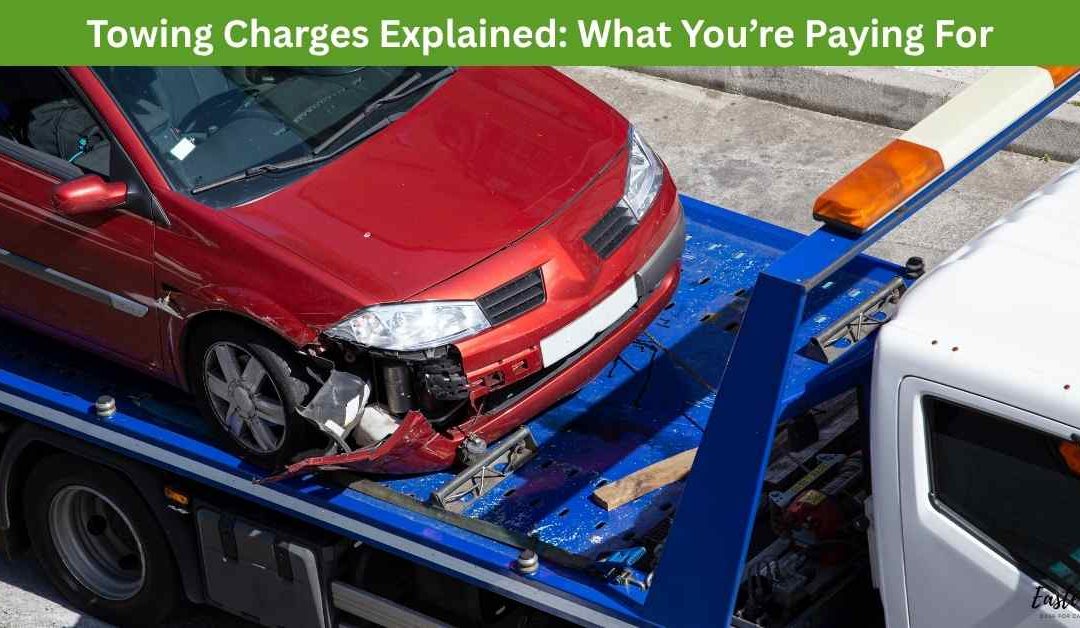
If you’ve ever needed a tow, you’ve probably noticed that prices can vary quite a bit. It’s not always clear what you’re actually paying for, especially in stressful situations like breakdowns or accidents. Understanding how towing charges are calculated can help you avoid confusion, compare quotes properly, and make informed decisions.
Towing isn’t just about moving a vehicle from one place to another, there are several factors behind the final cost.
What makes up a towing charge?
Towing fees are usually made up of multiple components rather than a single flat rate. These can include:
- A base call-out or hook-up fee
- Distance-based charges
- Time and labour costs
- Equipment or vehicle type requirements
Knowing these components helps you understand why quotes can differ between providers.
What is the base or call-out fee?
The base fee is the starting cost for the towing service. It typically covers:
- Dispatching the tow truck
- Initial loading of the vehicle
- Standard service within a limited distance
This fee applies regardless of how far your car needs to be towed.
How distance affects the price
After the base fee, most towing companies charge based on distance:
- A set rate per kilometre beyond a certain range
- Additional charges for long-distance towing
- Higher costs for rural or remote areas
The further your car needs to be transported, the higher the total cost will be.
Does the type of vehicle matter?
Yes, your vehicle type plays a role in pricing:
- Larger vehicles (SUVs, vans, utes) may cost more
- Heavily damaged cars may require special equipment
- Non-running vehicles can take more time to load
Specialised towing setups can increase the overall fee.
Are there extra fees to watch for?
In some cases, additional charges may apply:
- After-hours or weekend service fees
- Storage fees if your vehicle is kept at a yard
- Waiting time charges
- Administrative or paperwork fees
Always ask for a full breakdown of costs before agreeing to a tow.
Accident towing vs standard towing
There’s an important difference between accident towing and regular breakdown towing:
- Accident towing: Often regulated in certain areas with fixed maximum fees
- Breakdown towing: Pricing is usually more flexible and varies by provider
Understanding the type of tow helps you know what pricing rules apply.
When is towing covered by insurance?
In some situations, your insurance policy may cover towing costs, especially after an accident. It’s worth checking:
- Whether towing is included in your policy
- Any limits on distance or cost
- Approved providers you must use
This can significantly reduce what you pay out of pocket.
How to avoid overpaying for towing
To make sure you’re getting a fair deal:
- Ask for a quote upfront
- Confirm what’s included in the price
- Check if the service is regulated in your area
- Avoid agreeing under pressure
A quick check can save you from unexpected costs.
Why understanding towing charges matters
Knowing what goes into towing costs gives you confidence when dealing with providers. It helps you:
- Compare quotes accurately
- Avoid hidden fees
- Make informed decisions during stressful situations
Being informed means you’re less likely to be caught off guard.
Towing charges can seem confusing at first, but once you understand the different components, like base fees, distance, and extra charges, it becomes much clearer. By asking the right questions and knowing what to expect, you can ensure a fair and transparent experience whenever you need a tow.
If you are in Oakleigh, and looking to sell your car or get cash for trucks, below is the best way to visit us.
Eastern Cash For Cars
720 High St Rd, Glen Waverley, VIC 3150
(03) 7035 7830
www.easterncashforcars.com.au
Recent Comments