
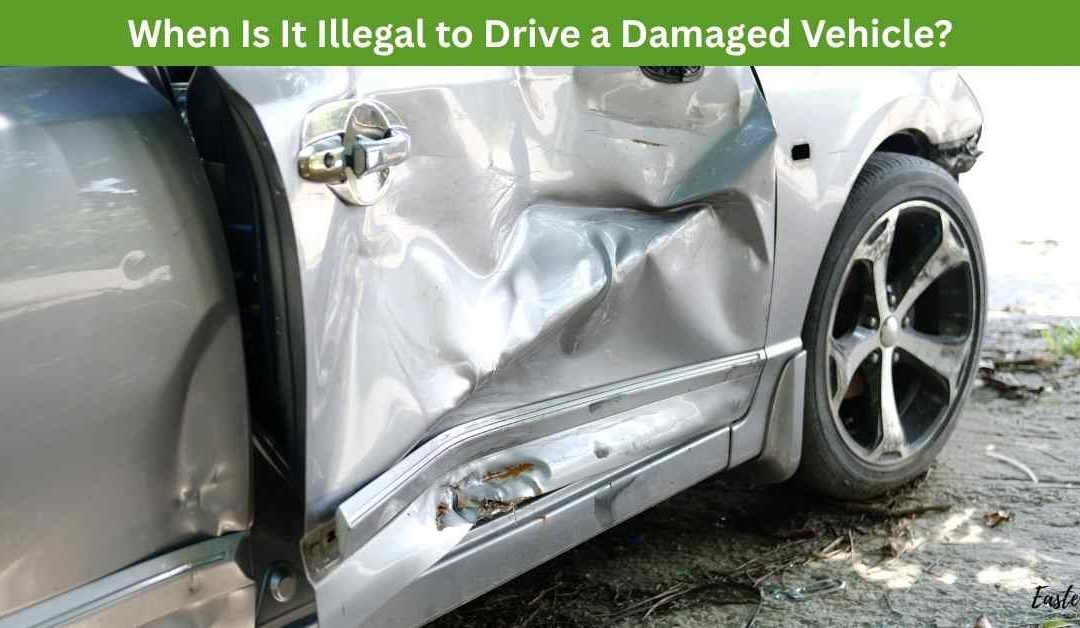
Vehicle damage can happen unexpectedly. A minor collision, severe storm, falling tree branch, or even everyday wear and tear can leave your car with visible or hidden damage. While some damage may seem cosmetic, other issues can make a vehicle unsafe and, in many cases, illegal to drive on Australian roads.
Many drivers assume that if a car still starts and moves, it’s legal to drive. Unfortunately, that’s not always true. Australian road laws require vehicles to meet minimum safety standards, and driving a damaged vehicle that poses a risk to you or other road users can result in fines, defect notices, insurance complications, and even legal liability in the event of an accident.
Understanding when damage crosses the line from inconvenient to illegal can help you avoid costly mistakes and keep everyone on the road safer.
Can you legally drive a damaged car in Australia?
The answer depends on the extent and type of damage.
A vehicle must remain roadworthy to be legally driven on public roads. If damage affects the vehicle’s safety, visibility, structural integrity, braking ability, steering, or compliance with road regulations, it may be considered unroadworthy.
Even if the damage occurred recently, such as after an accident, you are still responsible for ensuring the vehicle is safe before continuing to drive it.
What does “roadworthy” actually mean?
A roadworthy vehicle is one that meets the minimum safety requirements set by state and territory transport authorities.
Generally, a roadworthy vehicle must have:
- Properly functioning brakes
- Safe steering and suspension
- Working lights and indicators
- Effective tyres with legal tread depth
- Clear visibility through windows and mirrors
- Structural integrity without dangerous damage
If damage affects any of these areas, the vehicle may no longer be legally driven until repairs are completed.
Is it illegal to drive a car with accident damage?
In many cases, yes.
After an accident, even seemingly minor damage can create safety concerns. It may be illegal to drive the vehicle if:
- The steering is affected
- The brakes are damaged
- Airbags have deployed and are no longer functional
- The chassis or frame has structural damage
- Body panels interfere with wheels or visibility
- Fluid leaks create safety hazards
A vehicle involved in a significant collision should always be inspected before being returned to the road.
Can broken lights make a vehicle illegal?
Absolutely.
Australian road rules require various lights to be operational, including:
- Headlights
- Brake lights
- Tail lights
- Indicators
- Number plate lights
Driving with damaged or non-functioning lights can reduce visibility and increase accident risks. In many situations, police can issue fines or defect notices for faulty lighting.
This becomes particularly serious when driving at night or during poor weather conditions.
Is it illegal to drive with a cracked windscreen?
It can be.
Not all windscreen cracks automatically make a vehicle illegal, but the location and severity matter.
A windscreen may be considered unsafe if:
- Cracks obstruct the driver’s vision
- Damage creates glare or distortion
- The crack is large enough to weaken structural integrity
Modern windscreens contribute to vehicle safety and support airbag deployment systems. Significant damage should be repaired promptly.
What about damaged tyres?
Tyres are one of the most important safety components on any vehicle.
It is generally illegal to drive if tyres:
- Have tread below the legal minimum
- Show exposed cords or belts
- Have severe sidewall damage
- Contain dangerous bulges or splits
Damaged tyres increase the risk of blowouts, reduced braking performance, and loss of vehicle control.
When does body damage become a legal issue?
Dents and scratches alone are usually not illegal. However, body damage becomes a problem when it creates safety risks.
Examples include:
- Sharp edges that could injure pedestrians
- Loose panels that could detach while driving
- Damaged doors that won’t close properly
- Bonnets or boots that won’t latch securely
Even cosmetic damage should be assessed if it affects the vehicle’s safe operation.
Is it illegal to drive with fluid leaks?
In many situations, yes.
Fluid leaks can indicate serious mechanical issues and create hazards for other road users.
Common concerns include:
- Brake fluid leaks
- Power steering fluid leaks
- Fuel leaks
- Coolant leaks
- Engine oil leaks
A leaking vehicle may not only be unsafe but could also cause environmental contamination or road hazards.
Can a defect notice make your car illegal to drive?
Yes.
If police or transport inspectors determine that your vehicle is unsafe, they may issue a defect notice.
Depending on the severity, the notice may require:
- Repairs within a specified timeframe
- A roadworthy inspection
- Immediate removal of the vehicle from the road
Driving a vehicle that has been defected without meeting the required conditions can lead to further penalties.
How does insurance affect damaged vehicles?
Many drivers overlook this important issue.
If you continue driving a vehicle that is clearly unsafe or unroadworthy:
- Insurance claims may be denied
- Liability may increase after an accident
- You could face disputes with insurers
Even if the damage didn’t directly cause an accident, an insurer may argue that the vehicle should not have been on the road.
What should you do if your vehicle is damaged?
If your car has suffered damage:
- Assess whether it is safe to drive.
- Check for leaks, tyre damage, broken lights, or steering issues.
- Arrange a professional inspection if there is any doubt.
- Avoid driving if the vehicle may be unroadworthy.
- Organise towing if necessary.
A short tow bill is often far cheaper than the costs associated with an accident, fine, or major repair caused by continuing to drive an unsafe vehicle.
Driving a damaged vehicle isn’t automatically illegal, but once the damage affects safety, visibility, structural integrity, or roadworthiness, it can quickly become a legal issue. The safest approach is to have any significant damage assessed as soon as possible. Not only does this help you stay compliant with Australian road laws, but it also protects you, your passengers, and everyone else sharing the road.
If you are in St Kilda, and looking to sell your car or get cash for trucks, below is the best way to visit us.
Eastern Cash For Cars
720 High St Rd, Glen Waverley, VIC 3150
(03) 7035 7830
www.easterncashforcars.com.au
Recent Comments