
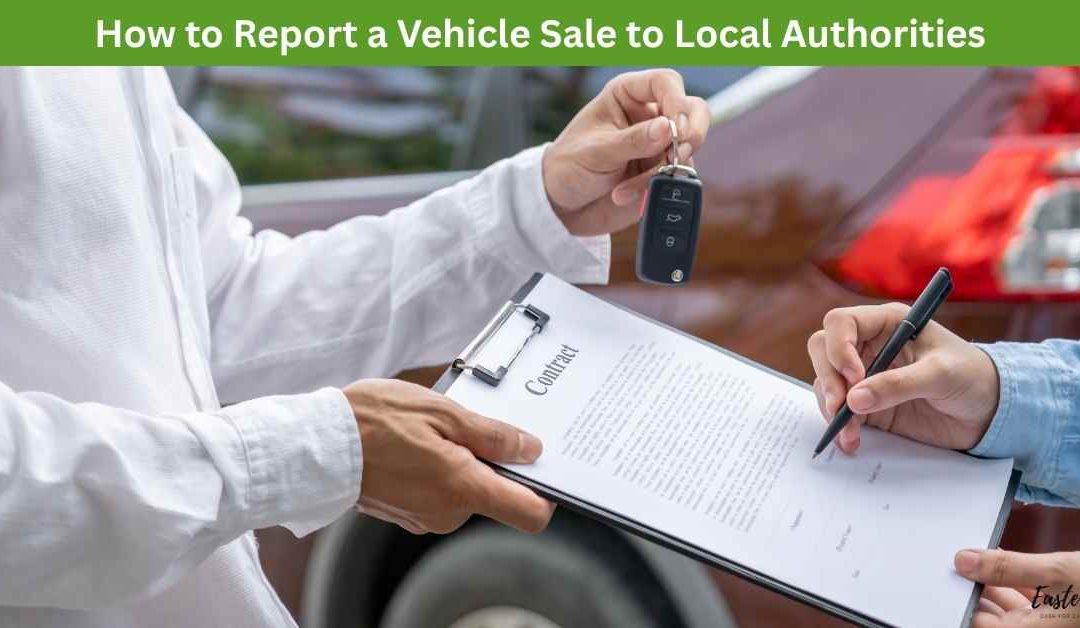
After selling a vehicle, many people assume the job is done once the keys and payment are exchanged. However, one of the most important final steps is reporting the sale to your local transport authority. This ensures the vehicle is no longer legally linked to you and protects you from future fines, fees, or liability issues.
Whether you sold your car privately, traded it in, or used a cash-for-cars service, properly reporting the sale is essential for a clean break.
Why Reporting a Vehicle Sale Is Important
Once a vehicle changes ownership, official records must be updated. If this does not happen, you may still be considered responsible for the vehicle.
Failing to report the sale can lead to:
- Traffic or parking fines sent to you
- Toll charges in your name
- Registration renewal notices
- Legal responsibility for incidents involving the vehicle
- Insurance complications
Reporting the sale ensures the transfer is officially recorded.
Who You Need to Report the Sale To
In most regions, vehicle sales must be reported to the relevant transport or road authority.
Depending on your location, this may include:
- State or territory motor registry
- Road transport departments
- Vehicle licensing authorities
Both the seller and buyer typically have responsibilities in completing the transfer process.
Information You Will Need
Before you report the sale, make sure you have all required details ready.
Commonly required information includes:
- Vehicle registration number
- Vehicle Identification Number (VIN)
- Date of sale
- Sale price
- Buyer’s full name and address
- Odometer reading at the time of sale
- Signed transfer documents
Having accurate details helps avoid delays or rejection.
Complete the Transfer or Sale Notification Form
Most transport authorities require a specific form to record the sale.
This may be called:
- Notice of Disposal
- Vehicle Transfer Form
- Change of Ownership Form
The form usually includes:
- Seller details
- Buyer details
- Vehicle information
- Sale date and price
- Signatures of both parties
Some jurisdictions allow digital submission, while others may require paper forms.
Submit a Notice of Disposal
A Notice of Disposal is one of the most important steps for sellers.
It officially informs the authority that:
- The vehicle has been sold
- You are no longer responsible for it
- The new owner is now accountable for registration and use
This should be submitted as soon as possible after the sale.
Time Limits for Reporting
Most local authorities require you to report the sale within a specific timeframe.
Although it varies by region, it is typically:
- Within a few days to two weeks after the sale
Delaying the process increases the risk of receiving fines or notices after you no longer own the vehicle.
Online Reporting Options
Many transport authorities now offer online systems for reporting vehicle sales.
Online reporting usually allows you to:
- Enter vehicle and buyer details
- Upload or confirm information
- Submit the Notice of Disposal instantly
- Receive digital confirmation
This is often the fastest and most convenient method.
Cancel or Transfer Registration if Required
Depending on the situation, you may also need to:
- Transfer registration to the buyer
- Cancel registration if the vehicle is being scrapped
- Surrender license plates if required
Always follow local guidelines for registration handling.
Inform Your Insurance Company
After reporting the sale, you should also contact your insurance provider.
You may be able to:
- Cancel your policy
- Transfer coverage to another vehicle
- Receive a refund for unused premiums
This ensures you are not paying for a vehicle you no longer own.
Keep Proof of the Sale
Always keep documentation that proves the sale and reporting process was completed.
This may include:
- Signed bill of sale
- Receipt of payment
- Transfer or disposal confirmation
- Email or online submission receipt
- Copy of buyer details
These records protect you in case of future disputes.
What Happens If You Don’t Report the Sale?
Failing to report the sale can create serious issues.
You may face:
- Fines for offences you did not commit
- Ongoing registration responsibilities
- Difficulty proving ownership transfer
- Insurance complications
- Legal disputes with the buyer
A simple reporting step can prevent all of these problems.
Selling to a Dealer or Cash-for-Cars Service
If you sell your vehicle to a dealer or cash-for-cars company, they often assist with paperwork.
However, you should still:
- Confirm the transfer has been completed
- Keep your own copy of the sale record
- Submit a Notice of Disposal if required by law
Never assume the process is complete without confirmation.
Why Timing Matters
Reporting the sale immediately after the transaction is important because it ensures:
- Faster removal of liability
- Accurate government records
- Protection against misuse of the vehicle
Delays can lead to unnecessary complications.
A Simple Step That Protects You
Reporting your vehicle sale to local authorities is a quick but essential part of the selling process. It ensures that ownership is officially transferred and that you are no longer responsible for the vehicle.
By submitting the correct forms, providing accurate details, and keeping proof of the transaction, you can complete your sale confidently and avoid future legal or financial issues. This small step provides long-term protection and peace of mind after your vehicle is sold.
If you are in Cheltenham, and looking to sell your car or get cash for trucks, below is the best way to visit us.
Eastern Cash For Cars
720 High St Rd, Glen Waverley, VIC 3150
(03) 7035 7830
www.easterncashforcars.com.au
Recent Comments