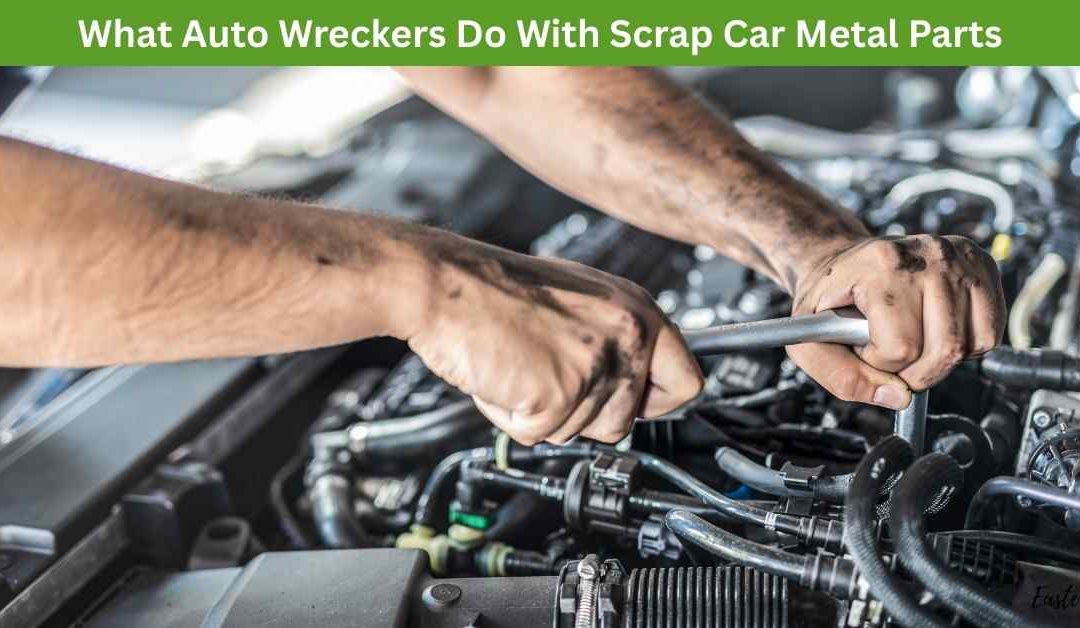
When you hand over an unwanted, damaged, or end-of-life vehicle to an auto wrecker, it’s easy to assume the whole car just disappears into a giant pile of scrap. But what actually happens behind the scenes is a lot more organised—and a lot more environmentally friendly—than most people expect. Auto wreckers follow a structured process to recycle metal parts safely, turning old vehicles into valuable materials that can be used again.
In simple terms, wreckers break down the car, separate the metals, and reuse or recycle them in ways that reduce waste and support Australia’s metal recycling industry.
Why Do Auto Wreckers Recycle Scrap Metal?
Scrap metal is one of the most valuable things left in a car that can no longer be driven. Auto wreckers recycle it because:
- It’s worth money in the recycling market.
- It reduces landfill waste.
- Metal can be reused almost endlessly without losing strength.
- It lowers the need for new mining and manufacturing.
Recycling metals like steel and aluminium helps the environment while also keeping the automotive industry stocked with affordable, reusable materials.
How Do Auto Wreckers Separate Scrap Metals From the Car?
Once the fluids, battery, and reusable parts are removed, the wrecking team focuses on the metal. Cars are packed with different types of metals, and each one has to be separated properly.
Most wreckers sort materials into two main categories:
1. Ferrous Metals (Magnetic Metals)
These include:
- Steel
- Iron
- Certain alloy components
These metals are strong and make up most of the vehicle’s body, chassis, and frame.
2. Non-Ferrous Metals (Non-magnetic Metals)
These include:
- Aluminium (bonnet, engine components, rims)
- Copper (wiring)
- Brass
- Stainless steel
Non-ferrous metals are lighter and usually more valuable per kilogram.
Using magnets, cutting tools, and shredding equipment, wreckers separate each type so they can be recycled efficiently.
What Happens to the Metal After It’s Removed?
Once the metals are sorted, the recycling journey begins. It usually follows these steps:
- Shredding the Car Shell
The remaining body of the car is fed into a massive shredder that tears it into small pieces. This makes sorting easier and increases the metal’s value.
- Cleaning and Processing
After shredding, machines separate metal from rubber, plastic, and glass. The metal pieces are cleaned and prepared for the next stage.
- Melting
Ferrous and non-ferrous metals are melted down in huge industrial furnaces. Melting allows impurities to be removed and the metal to be reshaped.
- Forming into New Products
Once melted and purified, the metal is turned into:
- Sheets and bars
- Steel coils
- Aluminium ingots
- Reusable material for manufacturing
These materials are then sold to steel mills, automotive manufacturers, and construction companies.
What Products Are Made From Recycled Car Metal?
Recycled car metal is incredibly versatile. It can be transformed into everyday items you probably use without realising.
Common uses include:
- New car parts
- Construction beams
- Household appliances
- Cans and metal packaging
- Tools and machinery
- Building frames
- Bike frames
- Shipping containers
It’s a full-circle recycling loop—old cars often become part of new cars.
Do Auto Wreckers Sell Usable Metal Parts?
Yes. Before anything gets scrapped, wreckers always look for parts that can be resold. This includes:
- Panels and doors in good condition
- Steel rims and alloy wheels
- Engine blocks
- Gearboxes
- Exhaust components
- Tow bars
- Metal brackets and mounts
These used parts are cleaned, tested, and stocked for customers looking for affordable replacements.
If a piece is too damaged or worn to be reused, that’s when it gets sent off for recycling.
Why Is This Process So Important in Australia?
Australia’s automotive recycling industry helps reduce waste and protects the environment. With thousands of cars reaching end-of-life each year, wreckers play a vital role in keeping metal out of landfill and putting it back into the economy.
Recycling scrap metal also:
- Saves energy compared to producing new metal
- Cuts greenhouse gas emissions
- Minimises mining
- Supports local jobs in car removal and recycling
- Keeps unwanted vehicles off streets and properties
Most importantly, it ensures old cars are dealt with responsibly—and that valuable materials are not wasted.
When a car reaches the end of the road, auto wreckers make sure its metal parts don’t go to waste. From careful dismantling to sorting, shredding, melting, and repurposing, the metal from scrap cars gets a brand-new life in industries across Australia. It’s a smart, sustainable process that helps the environment, reduces waste, and keeps valuable resources in use for future products and vehicles.
If you are in Doncaster, and looking to sell your car or get cash for trucks, below is the best way to visit us.
Eastern Cash For Cars
720 High St Rd, Glen Waverley, VIC 3150
(03) 7035 7830
www.easterncashforcars.com.au
Recent Comments